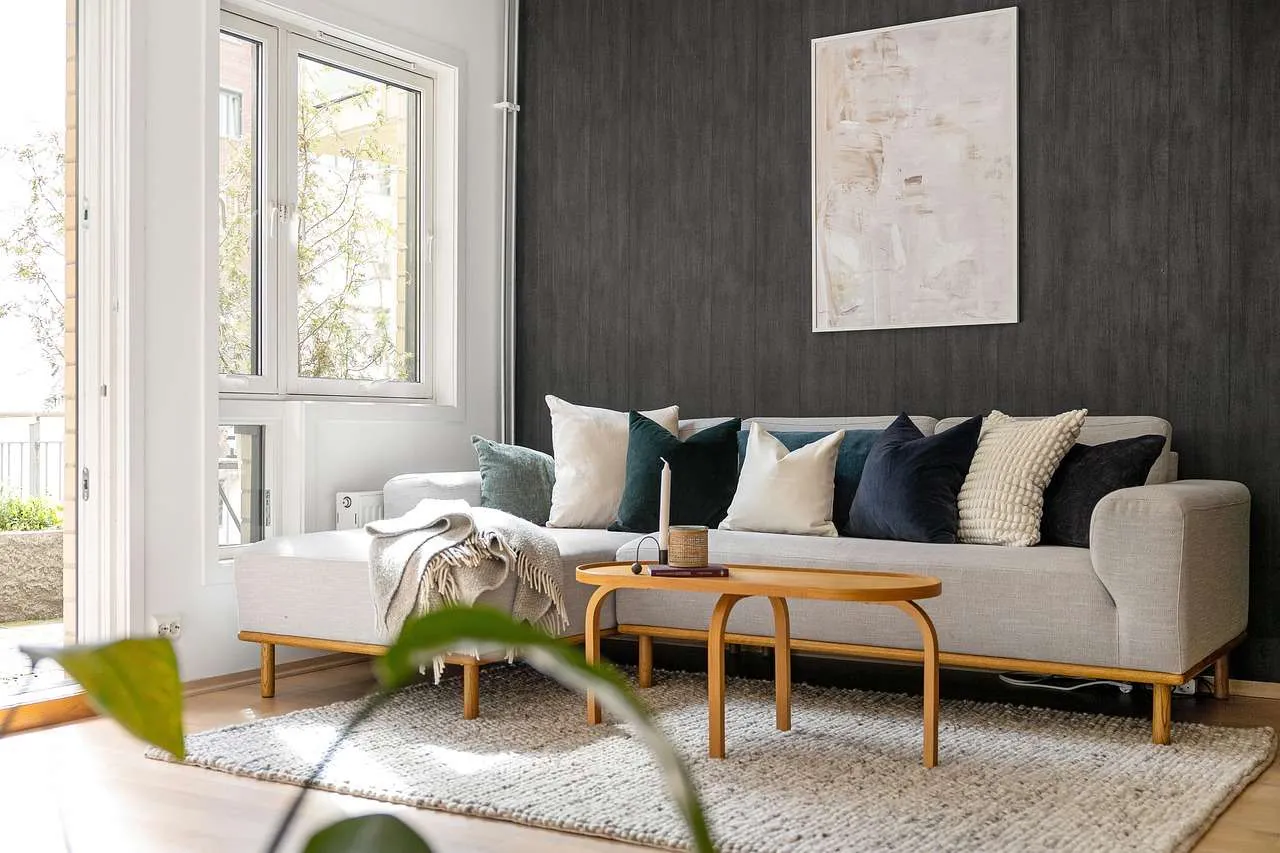
Home window tinting is the application of a thin film to the interior surface of glass windows to control heat, glare, and UV exposure. For homeowners, the right tint can improve comfort, protect furnishings, and reduce energy costs.
What does home window tinting involve?
Professional or DIY tinting uses polyester film cut to fit each pane and anchored by adhesive or static cling. The process includes cleaning the glass, measuring the pane, applying the film, squeegeeing out air, trimming edges, and allowing the film to cure. A quality installation should leave no cloudy patches or edge peeling and should comply with local tint darkness and reflectivity rules.
Benefits of home window tinting
- Energy savings: reduces heat gain in summer and heat loss in winter, easing HVAC load.
- UV protection: blocks up to 99% of harmful ultraviolet rays, protecting furnishings and skin.
- Glare reduction: improves comfort for screens and reading without closing blinds.
- Privacy and security: adds daytime privacy while maintaining exterior visibility for some shades.
- Safety and durability: some films hold shattered glass together in impacts, reducing injury risk.
Common film options for homes
Film options vary by composition and performance. Here are the most common types and what to expect.
Dyed window film
Dyed films add color and darken a room at a lower cost. They can fade and may show color shift over time; scratches are more visible and reflectivity is typically modest.
Metalized window film
Metalized films reflect a portion of solar energy, offering strong heat rejection and glare control. They can interfere with electronics and have a metallic appearance that may affect curb appeal in some neighborhoods.
Ceramic window film
Ceramic films use nonconductive ceramic particles. They provide excellent heat rejection and high clarity with a non-reflective look. They tend to be more expensive but offer durable performance.
Nano-ceramic / Advanced ceramic
Advanced ceramic films deliver top-tier UV protection, heat rejection, and color stability with minimal light distortion. They are often the premium choice for performance and aesthetics without reflectivity.
Choosing the right tint for your home
Consider climate, sun exposure, and how you use each room. Key factors include:
- Visible light transmittance (VLT): higher VLT = more daylight; lower VLT = stronger heat control and privacy.
- Orientation: south- and west-facing windows typically need stronger heat rejection.
- Glazing type: double- or triple-pane glass or built-in low-E coatings interact with films differently.
- Privacy needs: darker films offer more privacy, but local regulations may limit darkness in some areas.
- Warranty and brand reliability: choose reputable brands and verify warranty terms.
DIY vs professional installation
DIY tint kits can save upfront costs but require precision to avoid bubbles, dust, and edge gaps. Professional installation usually yields a cleaner finish, a warranty, and better long-term durability. Labor costs vary by region and film type, and a pro will ensure proper curing and edge sealing.
| Option | Pros | Cons | Approx. Cost (per sq ft) |
|---|---|---|---|
| DIY tint kit | Low upfront cost, flexible timing | Higher risk of bubbles, improper adhesion, uneven edges | $2–$8 |
| Professional installation | Professional fit, warranty, greater durability | Higher upfront price | $5–$12 |
Maintenance and safety
Clean films with a mild soap solution and a soft cloth. Avoid ammonia-based cleaners that can degrade adhesives. Inspect edges annually for peeling or bubbling and have a pro reseal if needed. If glass is damaged, consult a licensed glazier since film can affect replacement work.
Legal considerations and energy impact
Local laws often regulate tint darkness and reflectivity on street-facing windows. Check with authorities or your installer to ensure compliance. A well-chosen tint can reduce cooling costs, protect interiors from UV fading, and contribute to a more comfortable and sustainable home.
Conclusion, home window tinting offers a balance of comfort, protection, and energy efficiency when you select the right film type, understand costs, and choose a skilled installer. By considering climate, daylight, privacy, and warranty, homeowners can achieve durable results with meaningful long-term benefits.